📚 Definitions & Analytical Framework
What is African geopolitics?
African geopolitics examines power dynamics, alliances, and influence strategies across the continent and in international relations, blending pre-colonial heritage, post-independence developments, and contemporary challenges: resources, demographics, digital transformation, sovereignty.
#beginner
How to decode power dynamics without narrative bias?
Apply a 3-level framework: (1) Historical – pre-colonial mechanisms; (2) Structural – institutions, economies, alliances; (3) Operational – actors, decisions, impacts. Cross African academic sources, verifiable data, and contemporary case studies.
#expert
What is the 'Ancestral History + Modern Proof™' method?
Each geopolitical principle is rooted in pre-colonial African history (empires, diplomacy, power mechanisms), then validated by 200+ verifiable contemporary case studies. This approach combines historical rigor, strategic relevance, and absence of narrative bias.
#methodology
⚡ African Influence Levers
What are the 5 main levers of African influence?
1) Demographics: 1.4B people, median age 19; 2) Resources: 60% uncultivated arable land, 30% critical minerals; 3) Geostrategic position: maritime routes, land corridors; 4) Multilateral diplomacy: AU, BRICS+, G20; 5) Cultural narratives: soft power via music, cinema, diaspora.
#strategy
How can Africa strengthen its global influence?
By applying a 3-level strategic framework: historical (pre-colonial mechanisms), structural (institutions, economies), and operational (actors, decisions). The 'Ancestral History + Modern Proof™' method validates each principle with contemporary case studies.
#decision-maker
What role does the diaspora play in African influence?
The diaspora (150M+) acts as a force multiplier: remittances ($54B/year), political advocacy, cultural diffusion, technical expertise. It forms a "decentralized soft power" linking Africa to global decision centers.
#diaspora
How is digital transforming African influence?
Digital (570M internet users) transforms influence via fintech, e-governance, social media, cybersecurity. Mastering information flows is now as strategic as controlling trade routes. Law 41: "Information flows, power follows".
#digital
🤝 Alliances & Diplomacy
What are the main African alliances in 2026?
The African Union (55 states) coordinates continental positions. Regional blocs (ECOWAS, SADC, EAC) manage stability and economic integration. BRICS+ accessions (Egypt, Ethiopia, etc.) and partnerships with EU, China, US redraw influence balances.
#alliances
What role does the African Union play in continental geopolitics?
The AU coordinates African positions on global issues (climate, UN reform, debt). Its effectiveness depends on member states' political will and financial autonomy. Law 22: "An institution without real power is mere decoration".
#AU
How can African states diversify their partnerships?
By prioritizing thematic cooperations (infrastructure, training, security) with different partners (EU, China, Gulf, other African states) to preserve strategic maneuvering room. Law 31: "Multipolarity: navigate without anchoring".
#diplomacy
How can Africa negotiate with external powers?
By coordinating positions via the AU, diversifying partnerships, negotiating agreements with reversibility clauses, and valuing strategic assets (resources, market, geostrategic position). Law 39: "Local alliance beats distant protection".
#negotiation
⚙️ Resources & Sovereignty
Why are natural resources a geopolitical issue?
Strategic resources (cobalt, lithium, rare earths) attract investment but also create dependencies. Sovereignty over value chains becomes a major geopolitical negotiating lever. Law 23: "Control the resource, control the narrative".
#resources
Why is food sovereignty important for Africa?
With 60% of the world's uncultivated arable land, Africa has colossal agricultural potential. Food sovereignty reduces external dependencies and strengthens political stability. Law 19: "Land feeds, but also divides".
#agriculture
How does the energy transition impact African geopolitics?
Africa holds 30% of critical minerals for the energy transition. This strategic position creates negotiation opportunities but also risks of dependency and external covetousness. Law 47: "Protecting nature means protecting the future".
#energy
Why are infrastructure corridors important for African influence?
Corridors (Lobito, Lamu, Trans-Saharan) structure trade flows and regional integration. Controlling them means controlling part of continental economic and diplomatic power. Law 36: "Trade follows routes, power follows trade".
#infrastructure
🎯 Strategy & Practical Application
How to anticipate geopolitical shocks in Africa?
By investing in foresight, resilience mechanisms (stabilization funds, economic diversification), and strategic intelligence. Anticipating the shock means already overcoming it. Law 28: "Anticipating the shock means already overcoming it".
#foresight
What strategy for African SMEs in an uncertain geopolitical context?
Diversify markets, strengthen operational resilience, invest in economic intelligence, and leverage regional networks. Strategic flexibility beats rigid loyalty. Law 7: "A flexible alliance beats rigid loyalty".
#SME
How to measure the real influence of an African state?
Through multidimensional indicators: diplomatic weight (UN votes, AU leadership), economic attractiveness (FDI, partnerships), cultural soft power, and strategic innovation capacity. Avoid one-dimensional indicators.
#indicators
Where to find reliable analysis on African geopolitics?
Prioritize African academic sources (CODESRIA, local universities), continental think tanks (ISS Africa, Policy Center), official data (AU, AfDB), and cross-analyses. Avoid reductive or non-contextualized external narratives.
#sources
🔮 Foresight & Challenges 2026+
What are the priority security challenges in Africa in 2026?
1) Sahel crises (terrorism, coups); 2) Horn of Africa tensions; 3) Great Lakes region instability. Regional coordination and prevention are essential. Law 14: "Regional unity precedes global influence".
#security
How can Africa weigh in climate negotiations?
By carrying a unified continental position via the AU, fairly monetizing carbon credits, and investing in local adaptation solutions. Africa is both vulnerable and indispensable to the global transition. Law 47: "Protecting nature means protecting the future".
#climate
How can Africa transform its demographics into a competitive advantage?
By investing massively in technical education, youth entrepreneurship, and job creation aligned with market needs (digital, green energy, agro-industry). Law 12: "Youth is a double-edged sword".
#youth
How to prepare Africa's leaders of tomorrow?
Through training combining historical rigor, mastery of contemporary challenges (digital, climate, geopolitics), and development of strategic intelligence. Durable leadership serves, it does not dominate. Law 50: "Durable power serves, it does not dominate".
#leadership
🔄 Cross-Cutting Questions
What is the link between historical memory and contemporary influence?
Historical memory shapes identity, legitimizes policies, and influences global perception. Reclaiming historical narratives is a lever of soft power and epistemic sovereignty. Law 42: "Memory is an action lever".
#memory
How can young Africans contribute to continental influence?
Through innovation (fintech, agritech), civic engagement, cultural production, and mastering digital skills. Youth is a potential demographic dividend if invested in and trained. Law 46: "Innovation is born from constraint".
#innovation
How can Africa strengthen its digital sovereignty?
By developing sovereign cloud infrastructure, training cybersecurity experts, adopting protective legal frameworks, and creating African platform alternatives to GAFAM. Law 41: "Information flows, power follows".
#digital-sovereignty
What is the role of African think tanks in geopolitics?
Think tanks (ISS Africa, Policy Center) produce independent analysis, train decision-makers, and influence political agendas. They are essential for autonomous African expertise. Law 29: "Influence no longer recognizes institutional borders".
#think-tanks
What is the impact of intra-African migration on geopolitics?
Intra-African migration (18M people) stimulates trade, transfers skills, and strengthens cultural ties. Free movement is a lever of regional integration. Law 21: "Unity in diversity is strength".
#migration
What is the role of women in African geopolitics?
African women are key actors in peace, development, and innovation. Their inclusion in decision-making processes strengthens legitimacy, resilience, and effectiveness of continental strategies. Law 50: "Durable power serves, it does not dominate".
#gender
What is the impact of pre-colonial history on current geopolitics?
African empires developed sophisticated power mechanisms (diplomacy, diversity management, resilience). Understanding these principles helps decode contemporary strategies without Eurocentric bias. Law 4: "The river unites, the desert protects".
#history
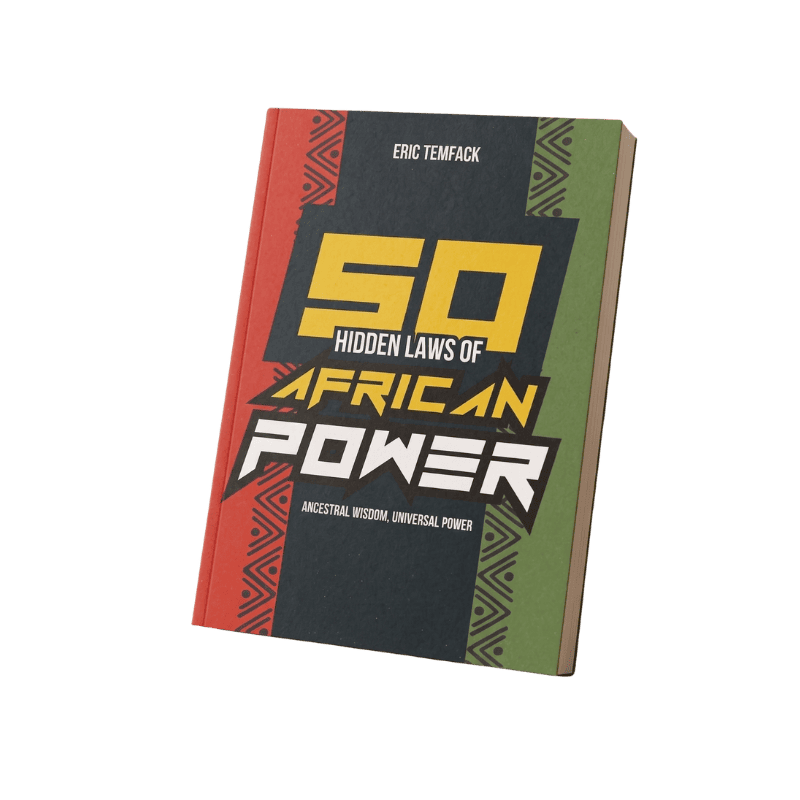
How does Éric Temfack approach African geopolitics differently?
Through his exclusive 'Ancestral History + Modern Proof™' method: each principle is rooted in pre-colonial African history, then validated by 200+ verifiable contemporary case studies. This approach combines historical rigor, strategic relevance, and absence of narrative bias.
#method
Is this FAQ updated regularly?
Yes. This FAQ is revised quarterly to integrate geopolitical shifts, new data, and reader feedback. Last updated: January 2026. For real-time analysis, visit the /sagesse-action-fr/ section.
#update