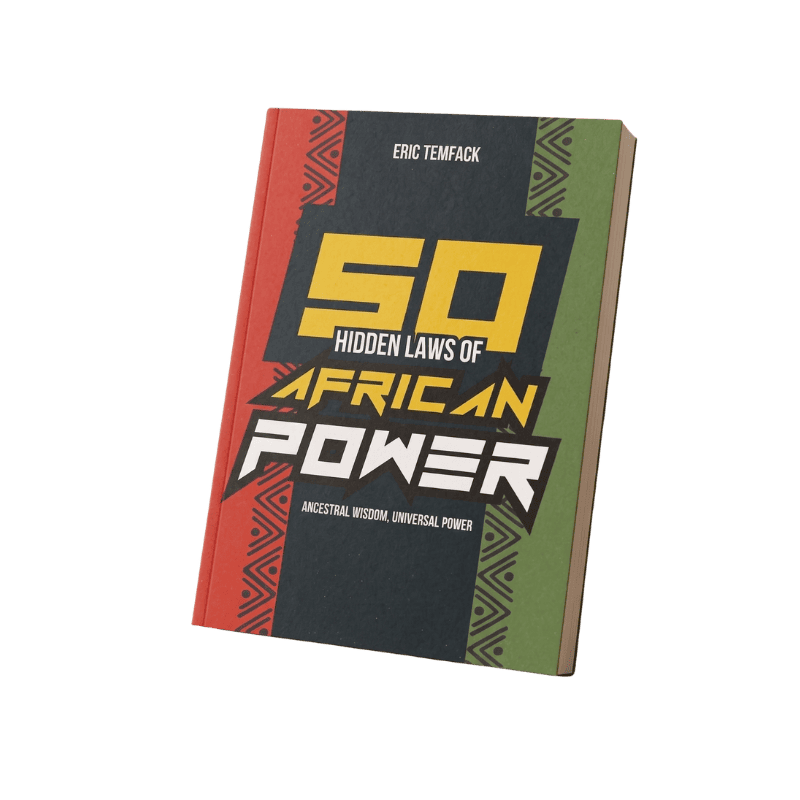
BARACK OBAMA — EMBODIMENT OF THE 50 HIDDEN LAWS OF AFRICAN POWER
Through 'soft power' diplomacy, authenticity of his African roots and strategic patience, the 44th President of the United States illustrated the African Power Laws.
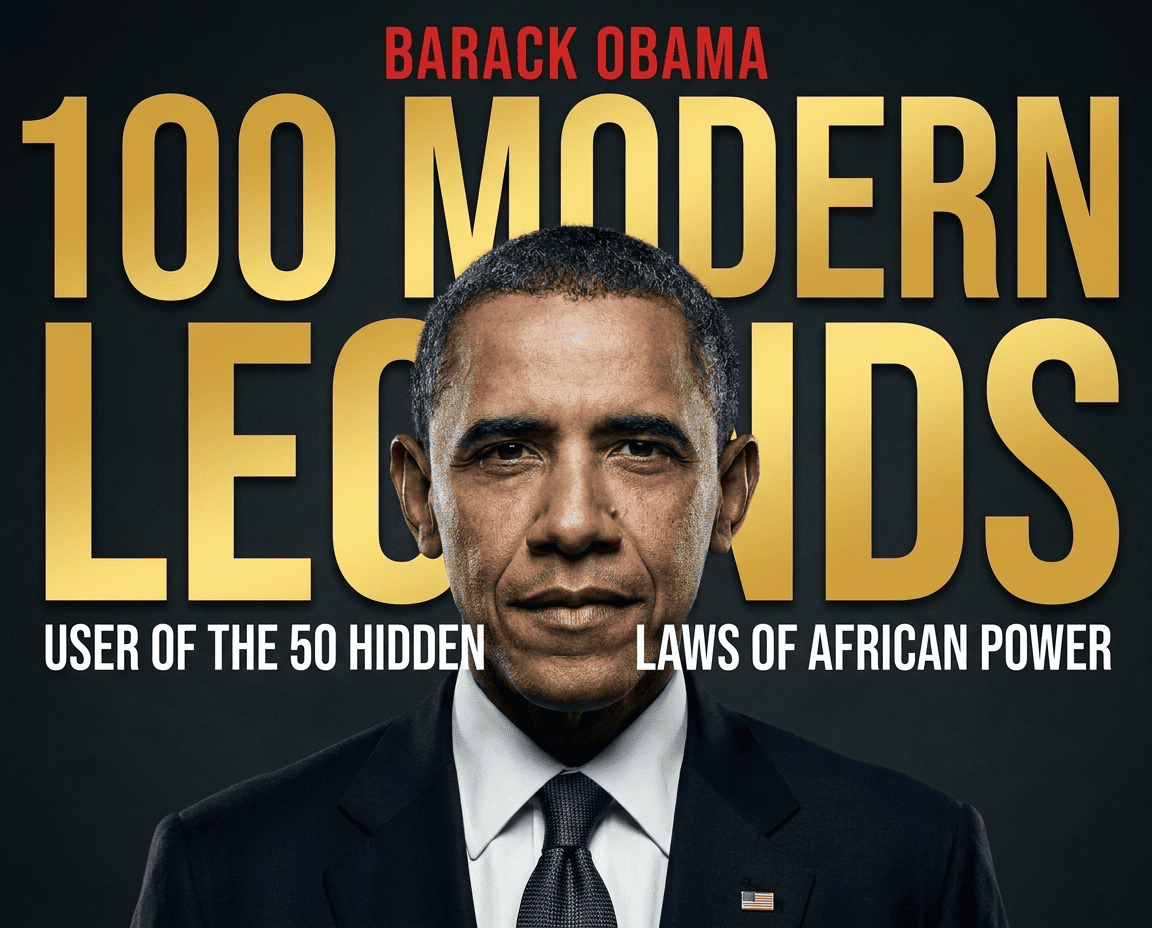
Barack Hussein Obama II
Book 1: 50 Laws
I. CONTEXT: POST-CIVIL RIGHTS AMERICA AND AFRICAN HERITAGE
⭐ Who is Barack Obama? Barack Obama (born 1961) is the 44th President of the United States (2009-2017), first African-American president. He used his African roots and diplomacy as weapons of power and global inspiration. His journey illustrates Laws 2, 7, 24, 30, 39, 45 and 50 of the 50 Hidden Laws of African Power.
America in the 2000s-2010s and the quest for unity
Barack Obama emerged in an America marked by racial divisions, Middle East wars and the 2008 financial crisis. Born to a Kenyan father and an American mother, he transformed his African heritage into a platform of global unity and diplomatic inspiration, transcending cultural and geographical boundaries.
❓ What was Barack Obama's impact on Africa and the diaspora? Barack Obama celebrated his Kenyan heritage, visited Africa as president, and used his platform to promote development and democracy on the continent. He illustrates Law 39: "Be a Lighthouse, Not an Echo" by connecting the diaspora to the continent through diplomacy.
The Cultural and Spiritual Context
Barack Obama draws from the heritage of the African diaspora: resilience in the face of adversity, importance of education, diplomacy as a weapon of change. He does not reject his roots; he sublimates them on the world stage, transforming politics into an expression of hope and unity.
🔗 CONNECTION WITH THE 50 HIDDEN LAWS OF AFRICAN POWER
→ Law #39: "Be a Lighthouse, Not an Echo"
Points of convergence:
• Barack Obama did not imitate traditional political models; he created a unique style based on listening, diplomacy and authenticity.
• He forced the world to recognize the power of 'soft power' and cultural authenticity.
• Modern application: African leaders must create their own model of success based on their deep values.
• Strategic lesson: Cultural authenticity creates a global resonance that imitation cannot achieve.
II. ORIGINS AND ASCENT: FROM HAWAII TO THE WHITE HOUSE
❓ How did Barack Obama become president? Born in Hawaii to a Kenyan father and an American mother, Barack transformed his multicultural heritage into political strength. From his beginnings as a community organizer in Chicago to his historic election in 2008, he forged his legend through acts, illustrating Law 2: "Forge Your Legend Through Acts".
Birth and multicultural childhood
Barack Hussein Obama II was born on August 4, 1961 in Honolulu, Hawaii. His father, Barack Obama Sr., was a Kenyan economist; his mother, Ann Dunham, was an American anthropologist. He grew up between Hawaii, Indonesia and the continental United States. This multicultural immersion forged his universalist vision: "There is no black America or white America; there is the United States of America".
The strategic turning point: The community organizer
At 24, Barack became a community organizer in Chicago, working with churches and disadvantaged neighborhoods. This experience forged his understanding of power from below: listen, mobilize, transform. He learned that true power is born from people's trust, not titles.
Emancipation: The Philadelphia speech and historic election
In 2004, his speech at the Democratic Convention ("There is no liberal America and conservative America; there is the United States of America") propelled him onto the national stage. In 2008, he became the first African-American president of the United States. The legend was underway.
🔗 CONNECTION WITH THE AFRICAN POWER LAWS
→ Law #2: "Forge Your Legend Through Acts"
Points of convergence:
• Barack did not speak of his greatness; he proved it through his community work, his speeches, his policies.
• Each electoral victory, each reform was tangible proof that consolidated his myth under construction.
• Modern application: Do not promise; accomplish. Your results build your legend more than your words.
• Strategic lesson: Reputation is forged through repeated proof of excellence and courage.
III. MASTERY OF THE THEATER OF POWER: DIPLOMACY AS STAGE
❓ How does Barack Obama master his image? Barack controls every aspect of his communication: measured eloquence, calculated authenticity, strategic appearances. He illustrates Law 7: "Become a Master of the Theater of Power" through his mastery of diplomacy as a global stage.
Building an authentic image
Barack understood very early that authenticity was more important than brute force. He created a recognizable image: calm eloquence, active listening, discreet humor. Each element was designed to be memorable and inspiring.
Control of media narrative
Barack uses social media, televised speeches, and public appearances to control his narrative. He does not undergo the narrative; he directs it by example and measured speech.
🔗 CONNECTION WITH THE AFRICAN POWER LAWS
→ Law #7: "Become a Master of the Theater of Power"
Points of convergence:
• Barack understood that authority is also played out on a carefully orchestrated stage: looks, posture, words, silence.
• Every detail of his public persona communicated a message of hope and unity.
• Modern application: Master your non-verbal communication, your setting, your narrative. Perception is a reality.
• Strategic lesson: The theater of power is not duplicity; it is the art of making your inner strength visible through diplomacy.
IV. TRANSFORMING IRON INTO GOLD: THE OBAMA LEGACY
❓ How did Barack Obama build his commercial and political legacy? Barack transformed his political talent into a global legacy through the Obama Foundation, strategic partnerships, and an authentic personal brand. He illustrates Law 10: "Transform Iron into Gold" — transforming a name into an immortal legacy.
The strategy of authentic economics
Unlike many politicians who depend on lobbies, Barack creates authentic partnerships. He controls everything: image, values, actions. This authentic economics is the key to his political and moral freedom.
Investing in global inspiration
Barack invests in projects that inspire: the Obama Foundation for youth leadership, democracy initiatives, motivational content. It's leadership with a mission of global inspiration.
🔗 CONNECTION WITH THE AFRICAN POWER LAWS
→ Law #10: "Transform Iron into Gold"
Points of convergence:
• Barack transformed his political talent ("iron") into an immortal global legacy ("gold").
• He created exponential value where others saw only a presidential term.
• Modern application: Do not sell your raw talent; transform it into a brand, a system, a legacy.
• Strategic lesson: Authentic innovation transforms talent into legacy; value is created, not simply extracted.
V. KEY STRATEGIC MOMENTS: THE CAIRO SPEECH AND DIPLOMACY
❓ What was the most strategic moment in Barack Obama's career? The Cairo speech in 2009. After years of tensions between the West and the Muslim world, Barack extended a hand, illustrating Law 24: "Exile is a Waiting Room, Not a Grave" — transforming divisions into opportunities for dialogue.
The challenge: Reconciling the West and the Muslim world
In 2009, tensions between the West and the Muslim world were at their peak. Barack, with his African and Muslim roots through his father, carried the hope of a new dialogue. The challenge was immense: win the trust of both sides.
The deployed strategy: Diplomacy as manifesto
Barack did not seek confrontation; he extended a hand. His speech in Cairo is legendary. He listened, acknowledged wrongs on both sides, and proposed a new beginning. Diplomacy is not weakness; it is a manifesto of courage.
The result and its consequences
The Cairo speech became a global phenomenon. It inspired millions of people to believe that dialogue can triumph over hatred. Barack proved that diplomacy and patience can triumph over adversity.
🔗 CONNECTION WITH THE AFRICAN POWER LAWS
→ Law #24: "Exile is a Waiting Room, Not a Grave"
Points of convergence:
• Barack used divisions as periods of maturation and dialogue.
• He let his idea grow in his absence until circumstances became favorable.
• Modern application: A setback, a sidelining, a public failure can become periods of strategic preparation.
• Strategic lesson: Forced distance is not an end; it is an incubation for a more powerful return.
VI. LEGACY: THE ANCESTOR WHILE STILL LIVING
Barack is still active, but his legend is already immortal. He transformed politics into a platform of global inspiration. His foundation trains young leaders. He inspires generations of young people to aim for excellence with authenticity. He became an "ancestor while still living".
🔗 CONNECTION WITH THE AFRICAN POWER LAWS
→ Law #50: "Become an Ancestor While Still Living"
Points of convergence:
• Barack became a mythical reference in his lifetime, a guide for future generations.
• His influence continues to shape politics, diplomacy and movements for hope.
• Modern application: Share your wisdom, create a legacy that transcends your physical presence.
• Strategic lesson: The ultimate power is to become a timeless reference, a guide for future generations.
VII. STRATEGIC LESSONS FOR THE MODERN LEADER
💡 What can a leader learn from Barack Obama? Barack teaches 'soft power' diplomacy, authenticity of roots, strategic patience, and transforming talent into immortal legacy. Modern leaders must aim for authenticity and lasting impact.
Lesson 1: Authenticity is a daily choice
Barack remains authentic, even under pressure. He does not tolerate inauthenticity, neither in himself nor in his collaborators. Apply this requirement to your work: do not deliver anything that is not authentic.
Lesson 2: Transform your origins into strength
Barack never hid his multicultural heritage; he used it as fuel. In your journey, every obstacle is material to build your excellence.
Lesson 3: Create a legacy that transcends your presence
Barack created a foundation, inspired generations, and left a standard of authenticity that survive his presidency. Build now the legacy you will leave.
🔗 CONNECTION WITH THE AFRICAN POWER LAWS
→ Law #30: "Live as You Teach"
Points of convergence:
• Barack does not preach authenticity; he lives it through his daily listening and diplomacy.
• His authenticity is consistent between his words and his actions.
• Modern application: Moral authority is born from alignment between words and actions.
• Strategic lesson: Durable leadership is based on exemplarity; live the values you preach.
VIII. FAQ – FREQUENTLY ASKED QUESTIONS ABOUT BARACK OBAMA
❓ What is Barack Obama's political legacy? Barack Obama transformed American diplomacy through 'soft power', promoted unity and hope, and inspired generations of leaders. His political legacy is global and timeless.
❓ What is the Obama Foundation? The Obama Foundation is the organization founded by Barack and Michelle Obama in 2014. It trains young leaders, promotes democracy and civic engagement. It is a model of authentic philanthropy and social impact.
❓ How did Barack Obama use his African roots? Barack Obama celebrated his Kenyan heritage, visited Africa as president, and used his platform to promote development and democracy on the continent, illustrating Law 39: 'Be a Lighthouse, Not an Echo'.
❓ What is Barack Obama's legacy? Barack transformed politics into a platform of global inspiration, inspired generations of young people to aim for authenticity and unity, and created a model of leader-diplomat-philanthropist. His cultural and political legacy is global and timeless.
CONCLUSION: BARACK OBAMA, THE ETERNAL ICON
Barack Obama remains, more than a decade after his presidency, one of the most influential figures in global political culture. His journey — from the child of Hawaii to the global icon, from community organizer to president — testifies to the power of authenticity, diplomacy and the creation of an immortal legacy. He didn't just win elections; he won hearts.
For contemporary leaders, Barack Obama represents non-negotiable authenticity, strategic patience, and the ability to transform an individual journey into a movement of global inspiration. His life teaches that lasting power is born from alignment between values, words and actions. His name, Barack Obama, resonates as a challenge: may every leader become architect of their own legacy, singing "Yes We Can" even in the heart of storms.
🔗 SYNTHESIS: BARACK OBAMA AS EMBODIMENT OF THE HIDDEN LAWS OF AFRICAN POWER
📜 Summary of African power laws embodied by Barack Obama: Legend through acts (#2), Theater of power (#7), Creative exile (#24), Live as you teach (#30), Lighthouse not echo (#39), Universal symbol (#45), Immortal legacy (#50).
- Law #2 (Forge Your Legend Through Acts) – 2 presidential terms, proven political authenticity.
- Law #7 (Master the Theater of Power) – Diplomacy as global stage, measured eloquence.
- Law #24 (Exile is a Waiting Room) – Transformation of divisions into opportunities for dialogue.
- Law #30 (Live as You Teach) – Daily authenticity, alignment between words and actions.
- Law #39 (Be a Lighthouse) – Celebration of African heritage and global unity.
- Law #45 (Become a Symbol) – Global icon of hope and diplomacy.
- Law #50 (Become an Ancestor) – Massive posthumous influence on politics and humanity.
Practical Application for the Modern Leader:
✅ Control your communication and narrative channels
✅ Transform your multicultural origins into a driver of success
✅ Use your platform for causes that transcend your interests
✅ Transform your talent into an independent inspiration system
✅ Remain authentic to your fundamental values
The Barack Obama Challenge for You:
"What is your 'Yes We Can'? How will you transform your journey into an independent legacy that inspires your community?"
📚 Deepen with the Africa & Power series