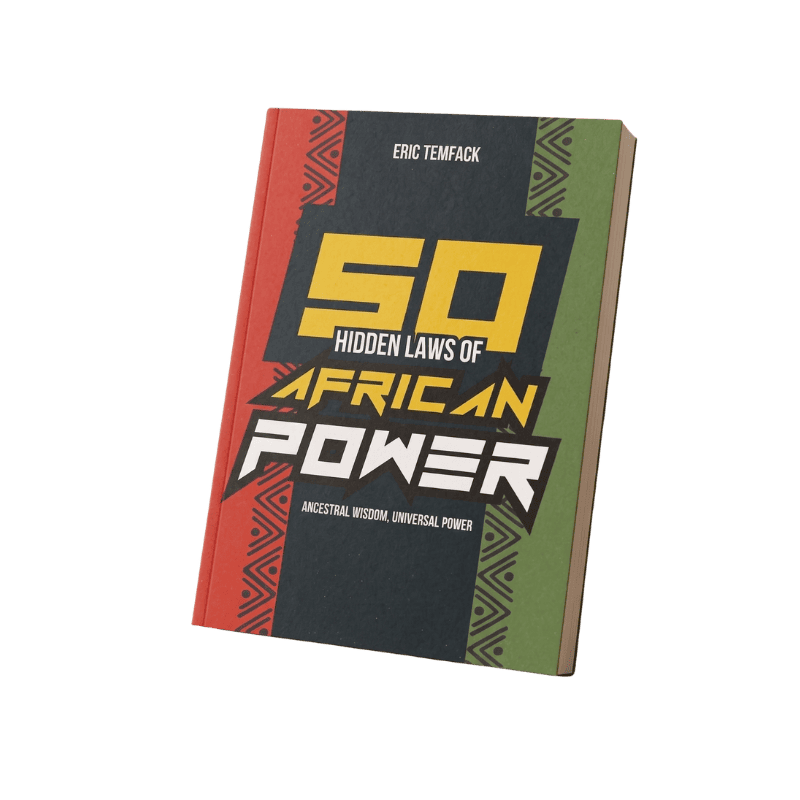
AI WEIWEI — EMBODIMENT OF THE 50 HIDDEN LAWS OF AFRICAN POWER
Through artistic resistance, social media activism, and fearless confrontation of authoritarianism, China's most famous dissident artist embodies the Laws of African Power.

Ai Weiwei
Book 1: 50 Laws
I. CONTEXT: CHINA'S AUTHORITARIAN LANDSCAPE AND ARTISTIC RESISTANCE
⭐ Who is Ai Weiwei? Ai Weiwei (born 1957) is a Chinese contemporary artist and political dissident. Known for provocative installations like 'Sunflower Seeds' and 'Remembering' (honoring victims of the 2008 Sichuan earthquake), he has become the world's most famous living artist-activist, resisting Chinese authoritarianism through art and social media.
China's Authoritarian Context (2000-2026)
Ai Weiwei emerges in an increasingly authoritarian China: political repression, censorship, and the silencing of dissent. He transforms artistic vision into political resistance, transcending the boundaries of traditional art to become a global symbol of freedom of expression. His approach embodies Law #23: "Master the Art of Silence and Speech".
❓ What is Ai Weiwei's global impact? Ai Weiwei has transformed contemporary art into a weapon of political resistance, inspired global movements for freedom of expression, and challenged authoritarian narratives through provocative installations and social media activism. He illustrates Law #45: "Become a Symbol" by becoming an icon of artistic resistance.
The Cultural and Spiritual Context
Ai Weiwei draws from Confucian traditions of moral responsibility and artistic expression as a form of truth-telling. His approach aligns with the Laws of African Power: transform art into resistance, use creativity as a weapon against oppression, and create movements that inspire global solidarity.
🔗 LINK WITH THE 50 HIDDEN LAWS OF AFRICAN POWER
→ Law #45: "Become a Symbol – When Your Name Becomes a Movement"
Points of Convergence:
• Ai Weiwei has become more than an artist; he is the symbol of artistic resistance against authoritarianism.
• His name and work have the power to inspire global movements for freedom of expression.
• Modern Application: Leaders must embody universal values to acquire influence that transcends borders.
• Strategic Lesson: Symbolic power rooted in authentic resistance creates lasting global influence.
II. ORIGINS AND ASCENSION: FROM ARTIST'S SON TO GLOBAL DISSIDENT
❓ How did Ai Weiwei become a global dissident? Born into an artistic family, Ai Weiwei transformed his artistic vision into political resistance through provocative installations and social media activism. He illustrates Law #2: "Forge Your Legend Through Acts" by creating iconic works of resistance.
Birth and Early Life: The Artistic Heritage
Ai Weiwei was born on August 28, 1957, to Ai Qing, one of China's most celebrated poets. He grew up in artistic circles, understanding that art is a form of truth-telling. His childhood in exile during the Cultural Revolution shaped his understanding of political repression and artistic resistance.
The Strategic Turning Point: From Artist to Activist
In the 2000s, Ai Weiwei recognized a critical insight: art alone is not enough; art must become activism. He began creating provocative installations that challenged political narratives. His work on the 2008 Sichuan earthquake victims transformed him from artist to global dissident.
Global Emergence: The Icon of Resistance
By the 2010s, Ai Weiwei had become the world's most famous living artist-activist. His detention by Chinese authorities in 2011 only amplified his global influence. His exhibitions at MoMA, Guggenheim, and the Venice Biennale positioned him as a voice of artistic freedom. The legend was being forged through acts of courage.
🔗 LINK WITH THE LAWS OF AFRICAN POWER
→ Law #2: "Forge Your Legend Through Acts"
Points of Convergence:
• Ai Weiwei did not speak of his greatness; he proved it through provocative installations, fearless activism, and global exhibitions.
• Each act was tangible proof that consolidated his legitimacy as a transformational leader.
• Modern Application: Do not promise; accomplish. Your acts build your legend more than your words.
• Strategic Lesson: Reputation is forged through repeated proof of courage and commitment.
III. MASTERY OF THE THEATER OF POWER: ARTISTIC VISION AND MEDIA CONTROL
❓ How does Ai Weiwei master his influence? Ai Weiwei controls every aspect of his communication: provocative installations, strategic social media presence, international exhibitions. He illustrates Law #7: "Become a Master of the Theater of Power" through artistic narrative and media mastery.
Building an Image of Fearless Resistance
Ai Weiwei understands that authenticity and artistic integrity are equally important. He creates recognizable visual language: provocative, bold, uncompromising. Every element communicates fearless resistance and commitment to truth-telling.
Control of the Artistic Narrative
Ai Weiwei does not suffer the narrative; he directs it. Through his installations, social media presence, and international exhibitions, he controls the story of artistic resistance against authoritarianism. He transforms each artwork into a demonstration of fearless truth-telling.
🔗 LINK WITH THE LAWS OF AFRICAN POWER
→ Law #7: "Become a Master of the Theater of Power"
Points of Convergence:
• Ai Weiwei understands that authority is performed on a carefully orchestrated stage: installations, exhibitions, media presence.
• Every detail of his artistic persona communicates fearless power and authentic commitment.
• Modern Application: Master your communication, your frame, your narrative. Perception is reality.
• Strategic Lesson: The theater of power is not deception; it is the art of making your inner strength visible.
IV. TRANSFORMATION OF IRON INTO GOLD: FROM OPPRESSION TO ARTISTIC RESISTANCE
❓ How did Ai Weiwei transform oppression into impact? Ai Weiwei transformed political oppression and artistic censorship into global movements for freedom of expression. He illustrates Law #10: "Transform Iron Into Gold" — transforming repression into resistance.
Art as Systemic Resistance
Unlike traditional activism, Ai Weiwei chose art as systemic resistance: installations that challenge political narratives, social media as a weapon of dissidence, exhibitions that inspire global solidarity. This approach creates exponential impact and lasting transformation.
Sichuan Earthquake and Global Awakening
Ai Weiwei's investigation into the 2008 Sichuan earthquake — where thousands of children died in poorly constructed schools — transformed him from artist to activist. His project "Remembering" honored the victims and challenged official narratives. This is activism with systemic transformation.
🔗 LINK WITH THE LAWS OF AFRICAN POWER
→ Law #10: "Transform Iron Into Gold"
Points of Convergence:
• Ai Weiwei transformed political oppression ("iron") into artistic resistance ("gold").
• He created lasting value where others saw only censorship and control.
• Modern Application: Do not merely resist oppression; transform it into movements of systemic change.
• Strategic Lesson: Artistic innovation transforms repression into liberation; value is created through creative resistance.
V. STRATEGIC MOMENTS: DETENTION AND GLOBAL UPRISING 2011
❓ What was Ai Weiwei's most strategic moment? His detention by Chinese authorities on April 3, 2011, for 81 days without charges. Instead of silencing him, the detention amplified his global influence and transformed him into a symbol of artistic resistance. This moment illustrates Law #24: "Exile is a Waiting Room, Not a Tomb".
The Challenge: Surviving Political Repression
By 2011, Ai Weiwei faced a critical challenge: survive political repression without abandoning his mission. The risk: be silenced or become a martyr whose voice is lost.
The Strategy Deployed: Detention as Amplification
Ai Weiwei did not surrender; he transformed his detention into a global movement. His supporters created "Ai Weiwei" on social media, his exhibitions continued internationally, and his voice was amplified through global solidarity. The detention was not an end; it was an incubation for greater influence.
Results and Consequences
The detention made Ai Weiwei a global icon of artistic resistance. His subsequent exhibitions at MoMA and Guggenheim positioned him as a voice for freedom of expression worldwide. The moment was a waiting room; the movement, an eternal symbol of resistance.
🔗 LINK WITH THE LAWS OF AFRICAN POWER
→ Law #24: "Exile is a Waiting Room, Not a Tomb"
Points of Convergence:
• Ai Weiwei used his detention as a period of global amplification and artistic consolidation.
• He allowed his message of resistance to mature until the moment was strategically favorable.
• Modern Application: A setback, a marginalization, a detention can become a period of strategic preparation.
• Strategic Lesson: Forced distance is not an end; it is an incubation for a more powerful return.
VI. LEGACY: THE ANCESTOR OF HIS LIFETIME
Ai Weiwei remains actively engaged in art and activism, but his legend is already immortal. He has transformed the perception of contemporary art as a weapon of resistance. His exhibitions continue to inspire global movements. He has become an "ancestor of his lifetime".
🔗 LINK WITH THE LAWS OF AFRICAN POWER
→ Law #50: "Become an Ancestor of Your Lifetime"
Points of Convergence:
• Ai Weiwei has become a mythic reference of his lifetime, a guide for artists and activists worldwide.
• His influence continues to shape global conversations about freedom, democracy, and artistic expression.
• Modern Application: Share your vision, create a legacy that transcends your physical presence.
• Strategic Lesson: Ultimate power is becoming a timeless reference, a guide for future generations.
VII. STRATEGIC LESSONS FOR THE MODERN LEADER
💡 What can a leader learn from Ai Weiwei? Ai Weiwei teaches fearless resistance, artistic integrity, use of social media as activism, and transformation of oppression into movements. Modern leaders must aim for transformational impact through authentic expression.
Lesson 1: Art and Creativity Are Weapons More Powerful Than Violence
Ai Weiwei does not fight oppression with violence; he fights it with art, creativity, and truth-telling. Apply this to your leadership: transform your creative vision into movements of change.
Lesson 2: Transform Your Oppression Into Global Solidarity
Ai Weiwei has used his detention and censorship to inspire global movements. In your journey, transform every setback into an opportunity for greater influence.
Lesson 3: Create a Legacy That Inspires Artistic and Political Freedom
Ai Weiwei has positioned artistic resistance as a global movement. Build from the beginning the legacy you will leave.
🔗 LINK WITH THE LAWS OF AFRICAN POWER
→ Law #30: "Live As You Teach"
Points of Convergence:
• Ai Weiwei does not preach artistic freedom; he lives it through daily commitment, fearless activism, and authentic expression.
• His authenticity is consistent between his words and his acts.
• Modern Application: Moral authority is born from alignment between words and acts.
• Strategic Lesson: Sustainable leadership is founded on exemplarity; live the values you preach.
VIII. FAQ – FREQUENTLY ASKED QUESTIONS ABOUT AI WEIWEI
❓ What are Ai Weiwei's most famous artworks? Ai Weiwei's most famous works include 'Sunflower Seeds' (1.6 million porcelain seeds at the Tate Modern), 'Remembering' (honoring Sichuan earthquake victims), and 'S.A.C. (Straight-Angled Chairs)' (made from destroyed temples). Each work is a political statement.
❓ What is Ai Weiwei's global legacy? Ai Weiwei has positioned contemporary art as a weapon of political resistance. He has inspired global movements for freedom of expression and artistic autonomy. His legacy is the proof that art can challenge authoritarianism.
❓ How does Ai Weiwei use social media as activism? Ai Weiwei maintains a powerful presence on Instagram and Twitter, sharing his artwork, political commentary, and calls for global solidarity. His social media presence has become a weapon of dissidence more powerful than traditional media.
❓ Is Ai Weiwei still creating art and activism? Yes, Ai Weiwei remains actively engaged in contemporary art and activism. He continues to create provocative installations, maintain a powerful social media presence, and influence global conversations about freedom and artistic expression.
CONCLUSION: AI WEIWEI, THE ARTIST OF RESISTANCE
Ai Weiwei remains, more than a decade after his detention, one of the most influential artist-activists globally. His journey — from artist's son to global dissident, from detention to international exhibitions, from censorship to global voice — testifies to the power of artistic integrity, fearless resistance, and creation of movements that inspire global solidarity. He has not merely created art; he has transformed it into resistance.
For contemporary leaders, Ai Weiwei represents fearless resistance, artistic integrity, and the capacity to create lasting movements through creative expression. His life teaches that sustainable power is born from alignment between values, words, and acts. His name, Ai Weiwei, resonates as a challenge: may every leader become an architect of artistic and political freedom, speaking even to the heart of authoritarianism.
🔗 SYNTHESIS: AI WEIWEI AS EMBODIMENT OF THE HIDDEN LAWS OF AFRICAN POWER
📜 Summary of the laws of African power embodied by Ai Weiwei: Legend through acts (#2), Resilience beyond limits (#5), Master silence and speech (#23), Exile as waiting room (#24), Live as you teach (#30), Become a symbol (#45), Immortal legacy (#50).
- Law #2 (Forge Your Legend Through Acts) – Provocative installations, fearless activism, global exhibitions.
- Law #5 (Never Define Yourself by Your Limits) – Transformation of detention and censorship into strength.
- Law #23 (Master the Art of Silence and Speech) – Strategic use of art and social media as weapons of resistance.
- Law #33 (The Invisible Hand Guides Visible Movements) – Global networks of artistic solidarity and resistance.
- Law #24 (Exile is a Waiting Room) – Detention as amplification, not silencing.
- Law #30 (Live As You Teach) – Daily commitment to artistic freedom and political resistance.
- Law #45 (Become a Symbol) – Icon of artistic resistance against authoritarianism.
- Law #50 (Become an Ancestor) – Influence that shapes future generations of artists and activists.
Practical Application for the Modern Leader:
✅ Transform every setback into an opportunity for greater influence
✅ Use creativity and art as weapons of resistance
✅ Master social media as a tool of activism
✅ Create movements, not moments
✅ Remain authentic to your mission of freedom and expression
The Ai Weiwei Challenge for You:
« What is your artistic vision for resistance? How will you transform oppression into movements of global solidarity? »
📚 Deepen with the Africa & Power series