CHARLOTTE MAXEKE
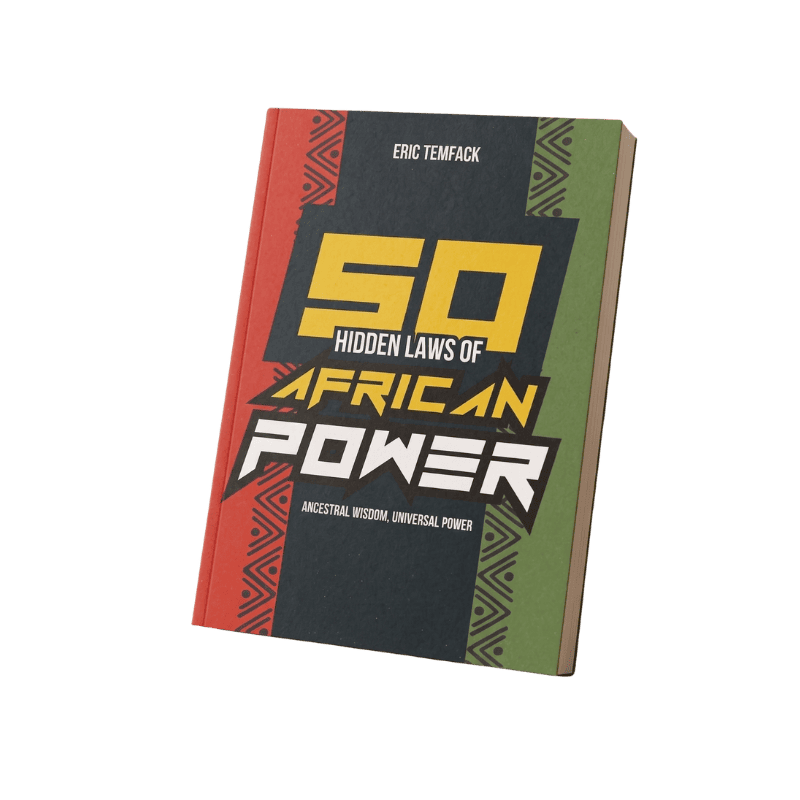
⚡ The embodiment of the 50 hidden laws of African power ⚡
Pioneer of education, political organiser, Mother of the South African nation

The 50 Hidden Laws · Embodied by Charlotte Maxeke
Each law below illustrates an aspect of her struggle: girls’ education, political organising, Methodist faith, defiance of pass laws.
50/50 laws fulfilled – a woman who opened the way for the ANC and the freedom struggle.
Fundamental laws: the strategic DNA of Charlotte Maxeke
Law #28 – Mobilise the excluded (black women)
In 1918 she founded the Bantu Women’s League (precursor of the ANC Women’s League). She organised marches against pass laws, mobilised thousands of women and laid the foundation of organised female resistance.
Law #36 – Education is liberation
First black woman to earn a B.Sc. in South Africa (Wilberforce University, USA). She taught in several schools and always fought for girls’ access to higher education.
Law #31 – Control the narrative through political organisation
A leader of the ANC and the Women’s League, she took part in delegations that carried black demands to the South African government. Her faith and rhetoric inspired generations of activists.
Law #17 – Use faith as an imperial cement
A fervent Methodist, she used religious meetings to build networks of solidarity and spread the ideas of social justice. Prayer and song were acts of resistance.

Journey of a pioneer
Legend in pictures

Major achievements and legacy
Law #49 – Your legacy is your final act of power: The Charlotte Maxeke Hospital in Johannesburg, streets, scholarships and a prize bear her name. She is considered one of the mothers of the South African nation.
Law #37 – Cultivate organised mystery
Few personal archives survive; her speeches and writings are often quoted second‑hand. This silence allowed feminist and anti‑apartheid movements to reclaim her as a mythical figure.
Synthesis · Charlotte Maxeke and the 50 laws
Charlotte Maxeke proved that the liberation of black South Africans could not happen without the emancipation of women. Her academic path, her faith and her activism inspired generations, from the ANC to the present fight for equality. She is living proof that education is the first revolution.
Explore further with Éric Temfack

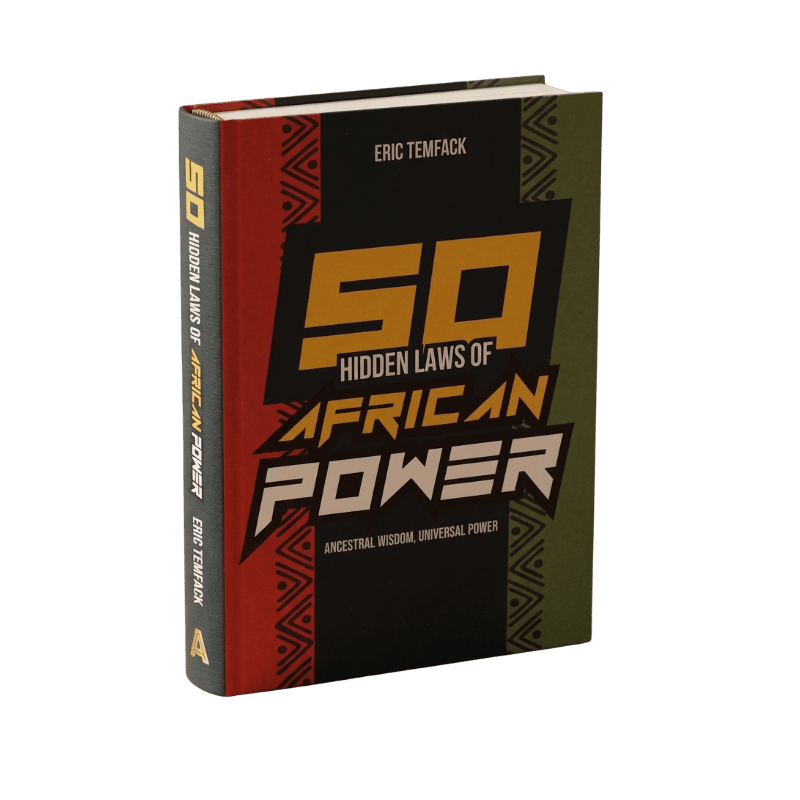
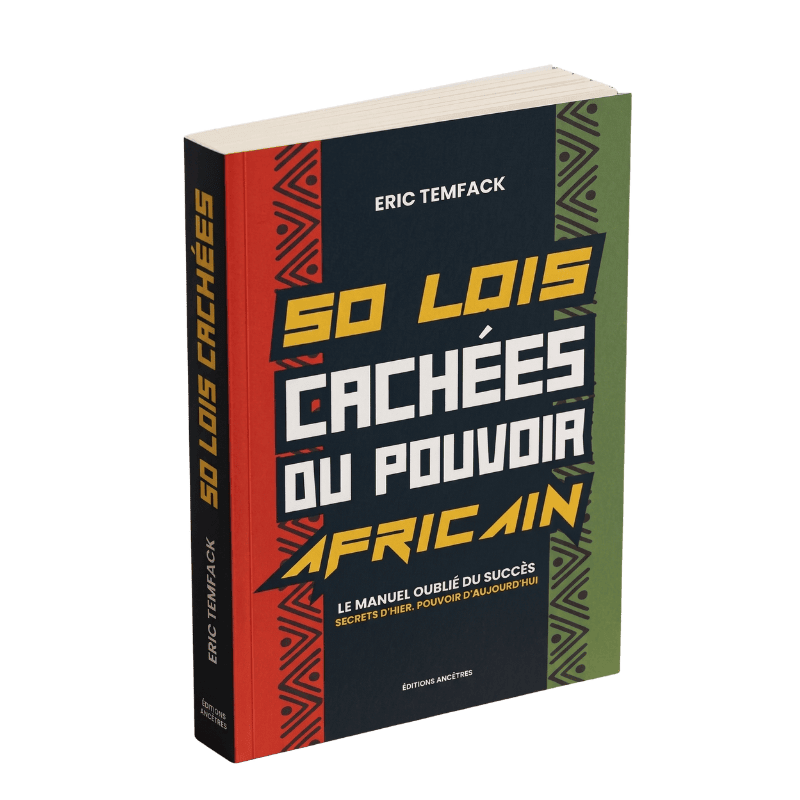
Discover the complete analysis of The 50 Hidden Laws of African Power by Éric Temfack. A journey through history, psychology and power strategies that shaped Africa, with concrete applications for modern leadership.
Author · Digital Strategist · African Power Expert
contact@temfackeric.com · +33 7 56 98 23 41
© 2026 Éric Temfack — “Ancestral History + Modern Proof™” method – Paris & Bafoussam