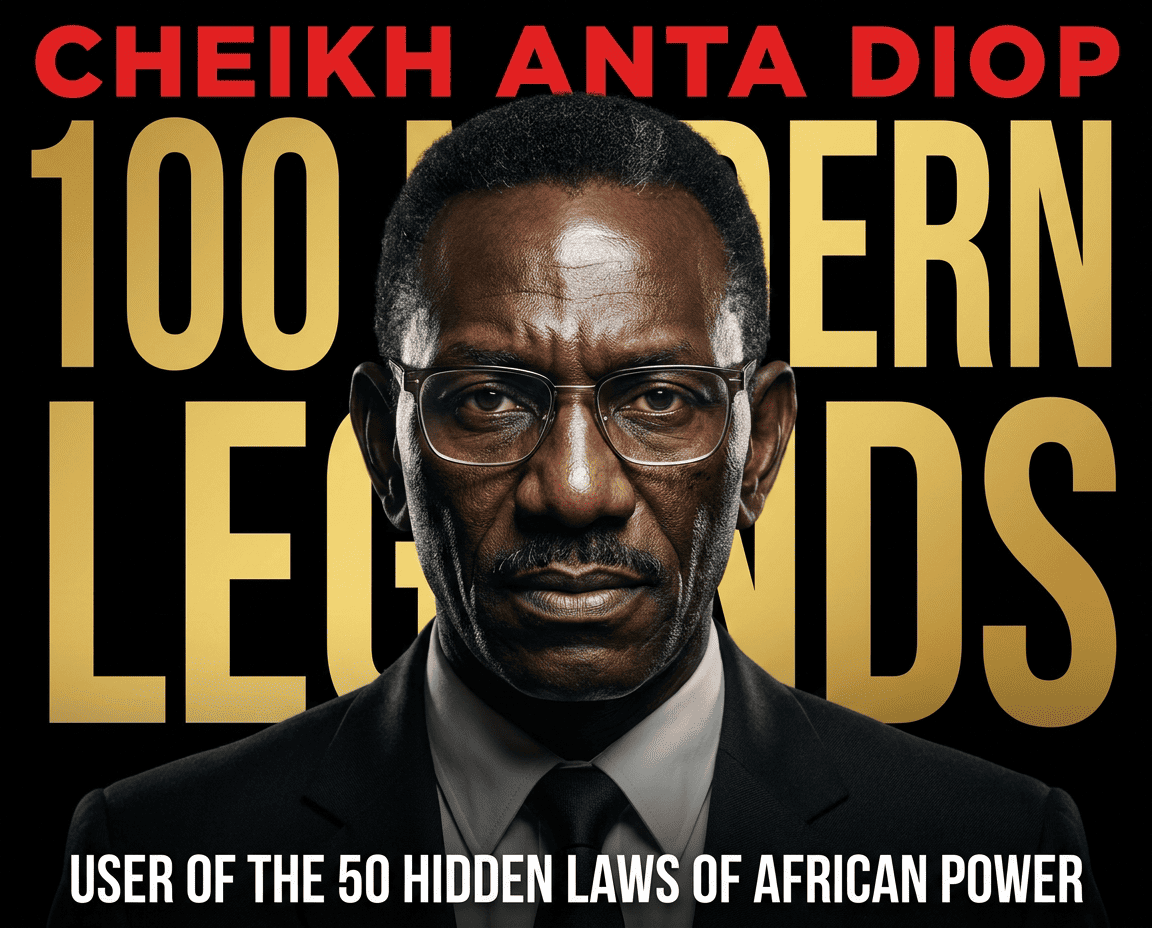
CHEIKH ANTA DIOP — RESTORER OF HISTORICAL CONSCIOUSNESS
Through rigorous scholarship and intellectual courage, Cheikh Anta Diop restored African historical consciousness and challenged Eurocentric narratives of civilization.
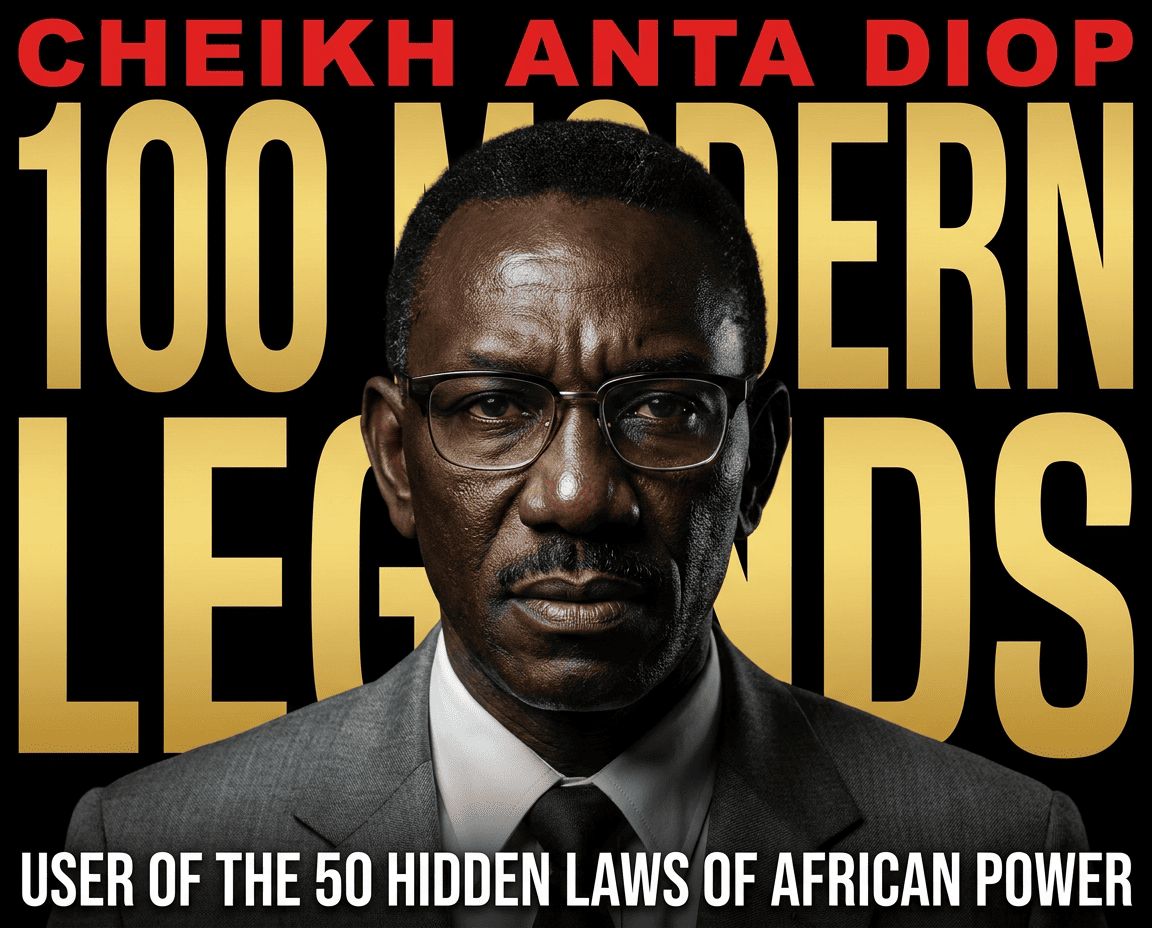
Cheikh Anta Diop
Died: February 7, 1986
Legacy: African Historiography
📖 THE CONTEXT: COLONIALISM AND HISTORICAL ERASURE
In the mid-20th century, African history was written by Europeans. The dominant narrative portrayed Africa as a continent without history, without civilization, without contribution to human progress. This historical erasure was a tool of colonialism—it justified European domination by claiming that Africans were incapable of creating civilization.
Into this intellectual vacuum stepped Cheikh Anta Diop. He would become the scholar who restored African historical consciousness and challenged the very foundations of Eurocentric historiography.
"If we don't know our history, we are condemned to repeat the mistakes of our ancestors. But if we know our history, we can build a future worthy of our past." — Cheikh Anta Diop
🌱 THE ORIGINS: FROM STUDENT TO REVOLUTIONARY SCHOLAR
An Intellectual Awakening
Born in 1923 in Caytou, Senegal, Cheikh Anta Diop was educated in French schools during the colonial period. He studied physics and chemistry in France, earning degrees from the Sorbonne. But his true passion was history—the history of Africa that had been erased from textbooks.
The Challenge to Eurocentric Historiography
In the 1950s, Diop began publishing works that challenged the dominant Eurocentric narratives. His most famous work, "The African Origin of Civilization: Myth or Reality" (1955), presented evidence that ancient Egypt was an African civilization and that African peoples had made fundamental contributions to human civilization.
⚔️ MASTERY OF POWER: THE INTELLECTUAL STRATEGY
🔗 LAW #7: GET OTHERS TO DO THE WORK AND TAKE THE CREDIT
How Diop Applied It: Building a School of Thought
Diop didn't work alone. He founded the Radiocarbon Laboratory and trained a generation of scholars who would continue his work. He created an intellectual infrastructure that would outlive him and amplify his influence exponentially.
Strategic Move: By building a school of thought and training disciples, Diop ensured that his ideas would be carried forward and defended by others.
🔗 LAW #12: USE SELECTIVE HONESTY AND GENEROSITY TO DISARM YOUR VICTIM
How Diop Applied It: The Power of Evidence
Diop's strategy was to overwhelm his critics with evidence. He presented radiocarbon dating, linguistic analysis, anthropological data, and historical documentation. He was so thorough and rigorous that it was difficult for his critics to dismiss him as merely ideological.
Strategic Move: By being scrupulously honest about his methodology and generous with his evidence, Diop disarmed critics who wanted to dismiss him as a propagandist.
🔗 LAW #15: CRUSH YOUR ENEMY TOTALLY
How Diop Applied It: Intellectual Demolition
Diop didn't just present alternative narratives—he systematically dismantled the intellectual foundations of Eurocentric historiography. He showed how European scholars had distorted evidence, ignored contradictions, and fabricated narratives to support their ideological agenda.
Strategic Move: By completely undermining the intellectual credibility of his opponents, Diop forced a reckoning with Eurocentric historiography.
🔗 LAW #22: USE SURRENDER AS A TACTICAL WEAPON
How Diop Applied It: Strategic Concessions
Diop was willing to concede minor points to his critics while maintaining his core thesis. This strategic flexibility made him appear reasonable and scholarly, even as he advanced revolutionary claims about African history.
Strategic Move: By appearing willing to engage in scholarly debate and make minor concessions, Diop positioned himself as a serious scholar rather than an ideologue.
🔗 LAW #32: PLAY TO PEOPLE'S FANTASIES
How Diop Applied It: Restoring African Pride
Diop understood that his work spoke to a deep psychological need among African peoples—the need to reclaim their history and their dignity. By presenting evidence of African contributions to civilization, he fulfilled a fantasy that colonialism had denied: the fantasy of African greatness.
Strategic Move: By connecting his scholarship to the aspirations of African peoples, Diop transformed academic work into a popular movement.
🔗 LAW #50: BECOME AN ANCESTOR IN YOUR LIFETIME
How Diop Applied It: Founding a Lineage
Diop understood that his work must outlive him. He founded the Radiocarbon Laboratory, trained scholars, published extensively, and created an intellectual legacy that would continue long after his death. He became an ancestor in his lifetime by establishing a lineage of African scholars.
Strategic Move: By creating institutional structures and training successors, Diop ensured that his work would become the foundation for future generations of African scholarship.
🔄 THE TRANSFORMATION: FROM ISOLATED SCHOLAR TO CONTINENTAL ICON
The Radiocarbon Laboratory (1966)
In 1966, Diop founded the Radiocarbon Laboratory at the University of Dakar. This was a transformative moment. It gave him institutional credibility and allowed him to conduct scientific research that would support his historical claims. The laboratory became a center for African scholarship and a symbol of African intellectual independence.
Pan-African Recognition
By the 1970s and 1980s, Diop had become a continental icon. His work was studied across Africa, and he became a mentor to a generation of African scholars. His ideas influenced the Pan-African movement and contributed to a broader awakening of African historical consciousness.
The Legacy of Influence
Though Diop died in 1986, his influence continued to grow. His work became foundational to African studies programs across the world. He transformed the discipline of African historiography and established new standards for scholarship on African history.
⚡ STRATEGIC MOMENTS: TURNING POINTS IN HIS POWER
1. The Publication of "The African Origin of Civilization" (1955)
This book was a watershed moment. It presented a comprehensive challenge to Eurocentric historiography and offered an alternative narrative of African history. The book became foundational to African intellectual movements and established Diop as a major scholar.
Power Lesson: A single well-researched, well-argued work can transform intellectual discourse. Diop's book changed how African history was understood.
2. The Founding of the Radiocarbon Laboratory (1966)
By establishing a scientific laboratory, Diop transformed his work from historical interpretation to scientific research. This gave him institutional credibility and allowed him to conduct original research that would support his claims.
Power Lesson: Institutional power amplifies intellectual power. By creating an institution, Diop ensured that his work would continue beyond his individual efforts.
3. The World Festival of Negro Arts (1966)
Dakar hosted the World Festival of Negro Arts, which became a platform for celebrating African culture and history. Diop was at the center of this celebration, and his work became central to the festival's intellectual framework.
Power Lesson: Cultural and intellectual movements amplify each other. By aligning his scholarship with broader cultural movements, Diop expanded his influence.
4. Continental Recognition (1970s-1980s)
By the 1970s and 1980s, Diop had become a continental icon. His work was studied in universities across Africa, and he became a mentor to a generation of African scholars. He had transformed from an isolated scholar into a continental intellectual leader.
Power Lesson: Persistence and rigorous scholarship eventually earn recognition. Diop's decades of work culminated in continental influence.
🏛️ THE LEGACY: WHAT DIOP BUILT
- African Historiography: Diop established new standards for scholarship on African history and challenged Eurocentric narratives.
- The Radiocarbon Laboratory: An institution dedicated to scientific research on African history and archaeology.
- A School of Thought: Diop trained a generation of scholars who continued his work and expanded his influence.
- Historical Consciousness: Diop restored African pride and dignity by demonstrating African contributions to human civilization.
- Intellectual Independence: Diop demonstrated that African scholars could challenge Western intellectual dominance and establish alternative frameworks of knowledge.
📚 LESSONS FOR YOUR OWN POWER
💡 LESSON 1: RIGOROUS SCHOLARSHIP IS POWER
Diop's power came from his rigorous methodology and comprehensive evidence. In any field, mastery and expertise give you credibility and influence. Invest in deep knowledge and rigorous methodology.
💡 LESSON 2: CHALLENGE DOMINANT NARRATIVES WITH EVIDENCE
Diop didn't just offer alternative opinions—he presented evidence that contradicted dominant narratives. When challenging established views, arm yourself with facts and rigorous analysis.
💡 LESSON 3: BUILD INSTITUTIONS TO AMPLIFY YOUR IMPACT
Diop's individual work was important, but his founding of the Radiocarbon Laboratory was transformative. Create institutions and structures that will carry your work forward and amplify your impact.
💡 LESSON 4: CONNECT YOUR WORK TO LARGER MOVEMENTS
Diop's scholarship resonated because it connected to the broader Pan-African movement and the struggle for African dignity. Align your work with larger purposes and movements that inspire people.
💡 LESSON 5: TRAIN SUCCESSORS TO CARRY YOUR LEGACY
Diop didn't just publish books—he trained a generation of scholars who would continue his work. Invest in developing others who can carry your vision forward.
❓ FREQUENTLY ASKED QUESTIONS
Q: What was Diop's main contribution to African history?
A: Diop challenged Eurocentric narratives by presenting evidence that ancient Egypt was an African civilization and that African peoples had made fundamental contributions to human civilization. He restored African historical consciousness.
Q: How did Diop respond to criticism of his work?
A: Diop responded with more evidence and more rigorous scholarship. He founded the Radiocarbon Laboratory to conduct scientific research that would support his claims. He engaged with critics on scholarly grounds.
Q: What was the significance of the Radiocarbon Laboratory?
A: The laboratory gave Diop institutional credibility and allowed him to conduct original scientific research on African history and archaeology. It transformed his work from historical interpretation to scientific research.
Q: How did Diop influence the Pan-African movement?
A: Diop's work restored African pride and dignity by demonstrating African contributions to civilization. His scholarship became foundational to Pan-African ideology and influenced a generation of African leaders and intellectuals.
Q: What is Diop's legacy today?
A: Diop is remembered as a pioneering African scholar who challenged Eurocentric historiography and established new standards for African scholarship. His work continues to influence African studies programs and scholars worldwide.
Q: How can we apply Diop's methods to other fields?
A: Diop's approach—combining rigorous methodology with institutional building and training successors—can be applied to any field. The key is to combine intellectual rigor with strategic institution-building.
🎯 CONCLUSION: THE POWER OF HISTORICAL CONSCIOUSNESS
Cheikh Anta Diop's story is a masterclass in how intellectual power can transform consciousness and challenge dominant systems. He didn't have political office or military power, but he had something more fundamental: the power to restore historical consciousness and challenge the narratives that justified oppression.
By combining rigorous scholarship with institutional building and training successors, Diop demonstrated that intellectual work can be a form of power. He showed that one scholar, armed with evidence and determination, can transform how an entire continent understands itself.
In the context of the 50 Laws of African Power, Diop embodies the intellectual synthesis: he became an ancestor in his lifetime by restoring African historical consciousness and establishing a lineage of African scholars.